What is chronic kidney disease?
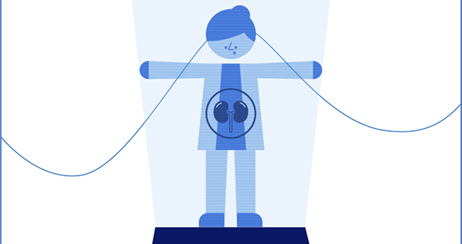
The kidneys play a vital role in filtering waste, balancing fluids, and producing important hormones2. When they are damaged, waste products and excess fluids build up in the body, which can lead to serious health problems, including advanced kidney disease3.
Chronic kidney disease (CKD) is a progressive loss of kidney function over time1. CKD is often linked to long-term conditions, including type 2 diabetes, high blood pressure, and a family history of kidney issues, along with other risk factors such as acute kidney injuries1.
As CKD develops gradually, many people may not notice symptoms in the early stages1. This is why early detection and treatment for chronic kidney disease are so important.
If left unmanaged, CKD can progress to what is called kidney failure (end-stage renal disease or ESRD), requiring peritoneal dialysis, dialysis, or a kidney transplant1.
Common treatments for CKD
The main goals of CKD treatment are to:
- Slow the progression of kidney damage
- Manage symptoms and improve quality of life
- Reduce the risk of related complications such as heart disease1
Effective CKD management usually combines several approaches, including regular blood and urine tests to monitor the glomerular filtration rate and kidney function1. These treatments include:
- Medications
- Dietary adjustments
- Lifestyle changes
- Controlling underlying health conditions, such as managing blood glucose levels, to promote healthy kidneys1
Medications
Several types of chronic kidney disease medication are used to manage symptoms and promote the production of more red blood cells while protecting kidney function:
- Blood pressure medicines: ACE inhibitors or ARBs lower blood pressure and reduce protein loss in urine4.
- Blood sugar control: For people living with diabetes, drugs such as metformin, SGLT2 inhibitors, or GLP-1 receptor agonists help stabilise glucose levels. Tight control is key to slowing CKD progression5.
- Cholesterol-lowering drugs: Statins are prescribed because people with CKD are at higher risk of cardiovascular disease5.
- Diuretics: Also known as "water pills,” diuretics reduce fluid retention and lower blood pressure4.
- Phosphate binders: As kidney function declines, phosphate levels may rise, increasing the risk of bone and heart problems. Phosphate binders help manage this6.
Together, these medications support both kidney health and the health of small blood vessels in the wider cardiovascular system.
Dietary changes
A balanced diet plays a major role in slowing progression and preventing complications of chronic kidney disease. Doctors and dietitians often recommend adjustments based on test results and individual needs:
- Sodium reduction: Too much salt can raise blood pressure and cause fluid retention.
- Protein moderation: A low-protein diet for chronic kidney disease may ease strain on the kidneys, depending on the stage of CKD.
- Potassium control: High potassium can be dangerous for heart health. Foods such as bananas, potatoes, and tomatoes may need to be limited.
- Phosphorus monitoring: Foods rich in phosphorus - dairy products, cola drinks, and nuts - may need to be restricted6.
For practical guidance, many patients follow a chronic kidney disease diet food list created by a renal dietitian, often recommended by the national kidney foundation, which may also assist in losing weight to help manage their kidney problems6.
Lifestyle habits
Self-care and lifestyle habits are just as important as medication in CKD management, especially in addressing symptoms like tiredness, swollen ankles, and itchy skin that may affect kidney function1. Positive changes that can be made include:
- Quit smoking: Smoking reduces blood flow to your kidneys and raises the risk of heart disease.
- Stay active: Regular exercise helps manage blood pressure, maintain weight, and boost mood.
- Get enough sleep: Poor sleep has been linked to higher blood pressure and an accelerated progression of CKD, so aiming for 7-8 hours of sleep per night can help support better kidney health.
- Manage stress: Mindfulness, yoga, or breathing exercises can support physical and emotional wellbeing.
- Maintain a healthy weight: Extra weight strains the kidneys and worsens diabetes and blood pressure control4.
These habits form the foundation of chronic kidney disease self-care, empowering people to take charge of their health.
Managing underlying conditions
CKD is often linked to other conditions that can damage kidney tissue, making management essential:
- Diabetes: Careful monitoring of blood sugar and adherence to diabetes treatment.
- High blood pressure: Lifestyle changes and medications to lower blood pressure and improve overall health.
- Heart disease: Managing cholesterol, staying active, and following a heart-healthy diet4.
Addressing these conditions can significantly reduce the risk of further kidney damage.
Living with chronic kidney disease
Living with chronic kidney disease involves making adjustments to your lifestyle, but doing so means you can still live a full and active life4.
Here are practical ways to manage daily life with CKD:
- Follow a kidney-friendly diet: Ask your healthcare team for a chronic kidney disease diet food list for guidance on what to eat and what to limit. Adjustments to protein, sodium, potassium, and phosphorus can help protect your kidneys and reduce symptoms4.
- Stay physically active: Walking, swimming, or cycling can support blood pressure, weight management, and mental health4.
- Keep up with checkups: Regular appointments ensure your treatment plan stays effective1.
- Track your health indicators: Using a health journal or app to monitor blood pressure, weight, and lab results helps detect issues early4.
- Take medications as prescribed: Adhering to your chronic kidney disease medication is vital - skipping doses can undermine treatment progress4.
- Stay connected with your healthcare team: Open communication helps you feel confident in managing your condition and ensures you understand your options4.
By building habits around self-care, many people with CKD are able to continue work, hobbies, and family life with confidence.
Taking charge of your kidney health
Chronic kidney disease is a serious but manageable condition. With the right combination of treatments, lifestyle changes, and self-care strategies, it’s possible to slow progression, manage symptoms, and maintain a good quality of life4.
Whether through chronic kidney disease treatments such as medication, tailored dietary plans, or medical procedures like an artificial kidney or dialysis in later stages, every action taken to protect kidney health counts - including monitoring alcohol intake1,4. Early detection, regular monitoring, and professional support provide the best chance of living well with CKD.4
By staying informed, proactive, and engaged with your care you can take charge of your kidney health.
FAQs
Can I improve chronic kidney disease?
Chronic kidney disease cannot usually be reversed, but it can often be slowed down or managed so it doesn’t get worse quickly. The main goal is to protect the remaining kidney function you still have. This is done by keeping blood pressure and blood sugar under control, taking prescribed medications, and consulting with a kidney specialist while following a kidney-friendly diet that limits salt, protein, and certain minerals. Lifestyle changes such as exercising regularly, quitting smoking, maintaining a healthy weight, and limiting alcohol also play a big role. Staying on top of regular checkups allows your doctor to track your kidney function and adjust your treatment if needed. Many people live well for years by making these changes and working closely with their healthcare team1,4,6.
What is the best treatment for chronic kidney disease?
There isn’t a single “best” treatment for chronic kidney disease because the right approach depends on the stage of the disease and what’s causing it, often confirmed through imaging tests.
The main goal of treatment is to slow down kidney damage, manage symptoms, and reduce the risk of complications such as heart attack. For many people, this means taking medicines to control blood pressure and blood sugar, following a kidney-friendly diet, and making healthy lifestyle changes such as exercising, quitting smoking, and limiting alcohol. In later stages, treatments like dialysis or a kidney transplant may be needed to address complications such as kidney stones1,4,6.
What foods should you avoid with kidney disease?
If you have kidney disease, some foods can make your kidneys work harder and worsen the condition over time, potentially increasing the risk of severe heart disease which may require a kidney biopsy to assess the damage. In general, it’s best to limit foods that are high in sodium (salt), since too much salt can raise blood pressure and cause fluid buildup, potentially leading to severe kidney disease. Many people also need to cut back on foods high in potassium (such as bananas, oranges, potatoes, and tomatoes) and foods rich in phosphorus (like dairy products, nuts, beans, and cola drinks), because unhealthy levels of these minerals can build up when the kidneys aren’t filtering properly1,6.
Still have questions about Type 2 Diabetes and CKD? This conversation guide can help you find questions you can ask your doctor to reduce your risk.